
Solar PPAs Explained — What South African Businesses Need to Know
10 July 2026 · SOLINK
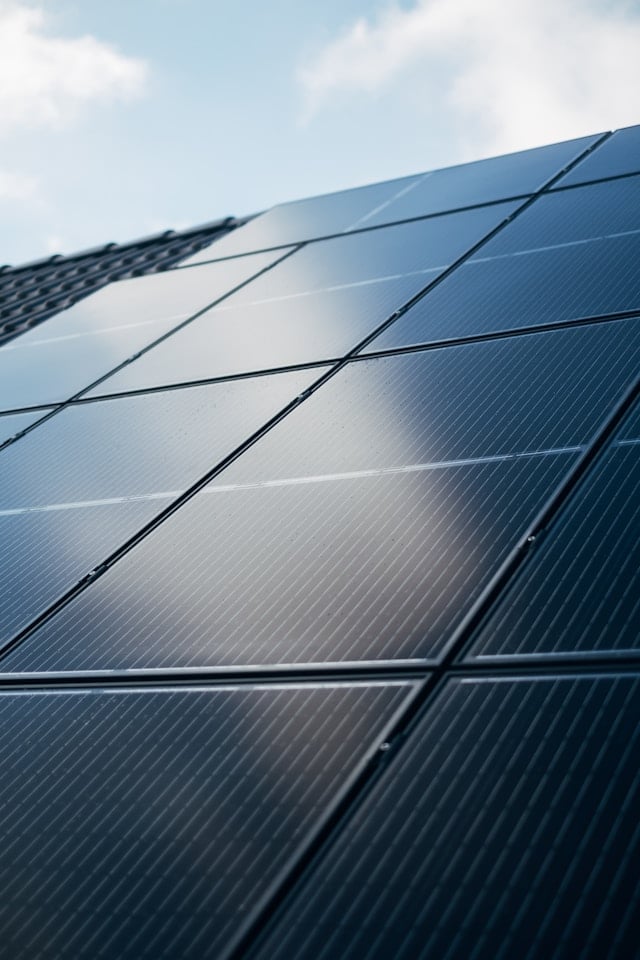
A Power Purchase Agreement — or PPA — is the single most common structure used to fund commercial solar in South Africa today. It is not a lease, and it is not a loan. It is a long-term contract to buy the electricity a solar plant produces at a fixed or indexed rate, without owning the plant itself. For businesses that lack the capital, the tax appetite, or the operational capacity to own solar directly, a well-structured PPA is often the most efficient way to lock in energy savings for 15 to 25 years.
How a Solar PPA Works
In a solar PPA, an Independent Power Producer (IPP) or specialist funder finances, builds, owns, operates and maintains a solar plant on your site — typically rooftop or ground-mount. Your business signs a long-term agreement to purchase all the electricity that plant produces at a tariff usually 20–40% below the current Eskom or municipal rate. You pay only for the kWh delivered. No capital outlay. No maintenance obligations. No O&M staff to hire.
At the end of the PPA term (typically 15–20 years), the business usually has an option to buy the asset at fair market value, extend the PPA at a reduced rate, or have the plant removed.
The Tariff Structure
Solar PPA tariffs in South Africa are quoted in R/kWh and typically start well below the equivalent Eskom Megaflex or municipal tariff. The tariff either escalates annually at a fixed percentage (commonly CPI or 5–7%) or is indexed to a portion of the utility tariff increase. Both structures have trade-offs — a fixed escalation gives budget certainty but risks underperforming Eskom in low-inflation years; a utility-indexed escalation follows the market but exposes you to sudden NERSA-approved tariff shocks.
The Five Clauses That Matter Most
1. Minimum offtake obligations
Most PPAs require the offtaker to buy a minimum quantity of energy each year, whether they consume it or not. If your production is seasonal or your site load may drop materially, this clause can create expensive shortfall payments. Negotiate the minimum carefully against a conservative demand forecast.
2. Escalation mechanism
Whether the tariff escalates at CPI, a fixed percentage, or a utility-linked formula, model the outcome over the full PPA term against multiple Eskom tariff scenarios. A 6% fixed escalation looks attractive in a 4% CPI year and painful in an 8% CPI year — and vice versa.
3. Termination and buy-out
PPAs are long. Businesses change. The clauses covering early termination, change of control (sale of the business), and buy-out at year 5, 10 or 15 are the ones that get renegotiated at 2 am. They should be reviewed by an independent advisor before signing, not by the funder's lawyer.
4. Roof access, maintenance and warranties
The IPP owns the plant, but it is on your roof. Roof-warranty interaction, access rights, insurance responsibility and maintenance service levels all need to be clearly defined.
5. Performance guarantees
A PPA is only as good as the electricity it delivers. Insist on a minimum performance ratio guarantee, with financial remedies if the plant underperforms — not just "reasonable endeavours" language.
Where an Independent Advisor Adds Value
The funder writes the first draft of the PPA, and the first draft always favours the funder. SOLINK runs competitive PPA tenders and negotiates term sheets from the client side — often reducing lifetime PPA cost by 10–20% and materially improving the tail-end clauses. If you are evaluating a PPA offer, or want to run a tender across multiple IPPs, get in touch.